Religious Freedom, Flourishing Societies, and the Role of Law
Christ Church, Oxford | 27–28 July 2026
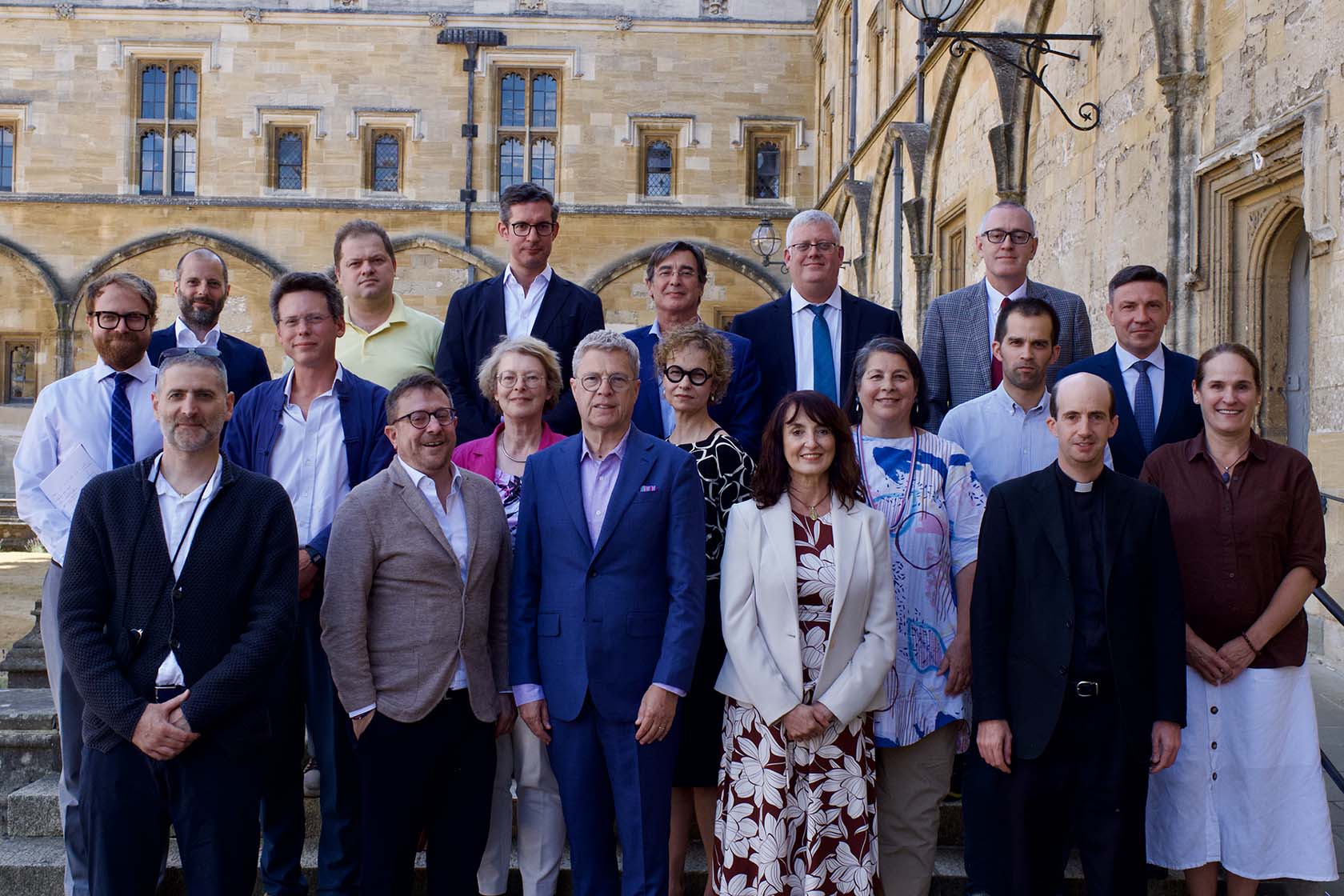
“Religious Freedom, Flourishing Societies, and the Role of Law,” an ICLRS-sponsored Workshop, was held 27–28 July 2026 at Christ Church, University of Oxford.
Presentations and discussion focused on the complex phenomenon of the reported “religious revival” in the West. Although the revival is visible and has an impact in cultural and political imagery, sociological analysis seems to suggest that this new emphasis on religious belief and culture does not reflect a demographic surge in religious affiliation. Rather, data suggests that those who believe have intensified their religious life, echoing what keynote presenter Alexis Artaud de La Ferrière has called the “minorisation” of religion—a mindset that minorities adopt to survive and resist dissipation.
This revival has fed a broader critique of liberalism, aimed squarely at what many see as its offspring: an individualistic, autonomy-based, rights-focused constitutional order. The critique fits within a larger paradox. Liberalism remains the dominant political framework in the West, yet it is increasingly described as incoherent and corrosive. Some of these criticisms are fair. In the name of equality, liberalism has produced striking inequality. In the name of freedom from the state, it has built an almost omnipotent bureaucratic Leviathan. In the name of human dignity, it has atomized communities, leaving behind lonely, isolated individuals. As a result, liberalism is no longer seen by many as a shared intellectual framework but as a partisan set of mechanisms that erodes civil society.
Two responses have emerged. The first seeks to limit or replace liberalism: identity-based and natural-law narratives combine theological reflection with rational arguments rooted in Christian and pre-Christian philosophy, defending the common good, virtue, and human flourishing. The second defends liberalism, seeking to reinvigorate it as a neutral, inclusive framework in which pluralism can survive and thrive.
Short papers presented at the Workshop will be published as a series of posts on the ICLRS blog, Talk About: Law and Religion. A publication outlet for longer papers is being contemplated.
Workshop organizers were Brett G. Scharffs, Rex E. Lee Chair and Professor of Law, and Director of the International Center for Law and Religion Studies, Brigham Young University’s J. Reuben Clark Law School; Andrea Pin, Full Professor of Comparative Public Law, University of Padua Law School; and Luca Vanoni, Full Professor of Comparative Public Law, University of Milan.
Workshop Photos, Program, and Participant Directory are below.
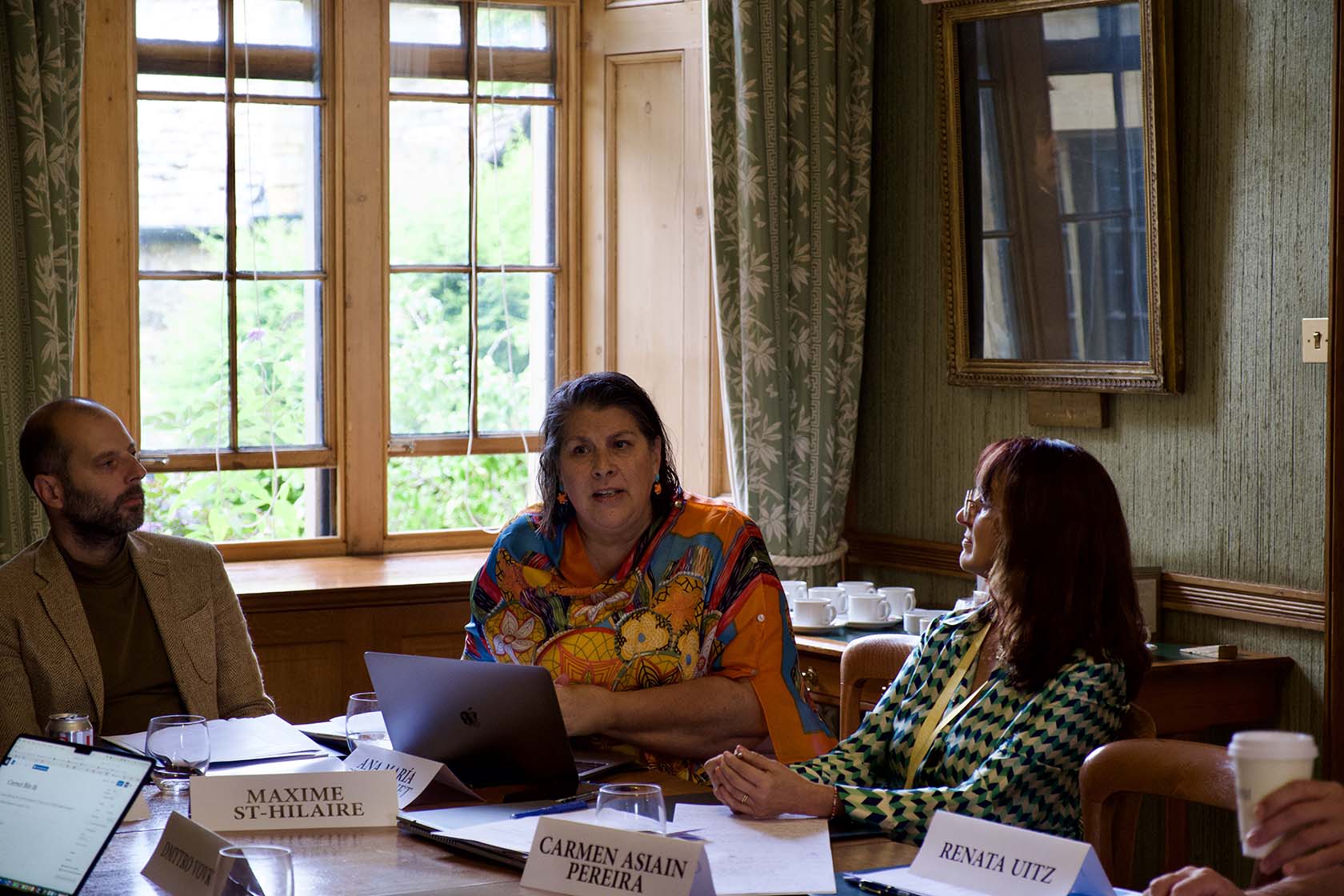
Workshop Photos
Program
Loading Viewer...
Participant Directory
Loading Viewer...